
Study
Research implementation in a few schools, randomly allocated to treatment and control.
Rapid Results Initiative
Study. Scale. Sustain. The RRI is a practical pathway for ministries, districts and NGOs to test ALfA, measure gains, and bring results to Global Learning Lab 2027.
Fast · Holistic · Transformative
Relying on current practices will merely replicate existing outcomes. RRI invites education systems to embrace research-driven innovations that challenge established methods and create transformational progress.
One hour of literacy and one hour of numeracy each day in the standard model.
ALfA has grown from 20 schools to staged roll-out across 30,000+ government schools.
Toolkits are available across Indian and international languages for fast replication.
Low-cost learning materials and training support make scaling practical.

“Insanity is doing the same thing over and over and expecting a different outcome.”
Albert Einstein

7 out of 10
10-year-olds cannot read in low- and middle-income countries around the world.
Imagine: new process · new structure · new outcome
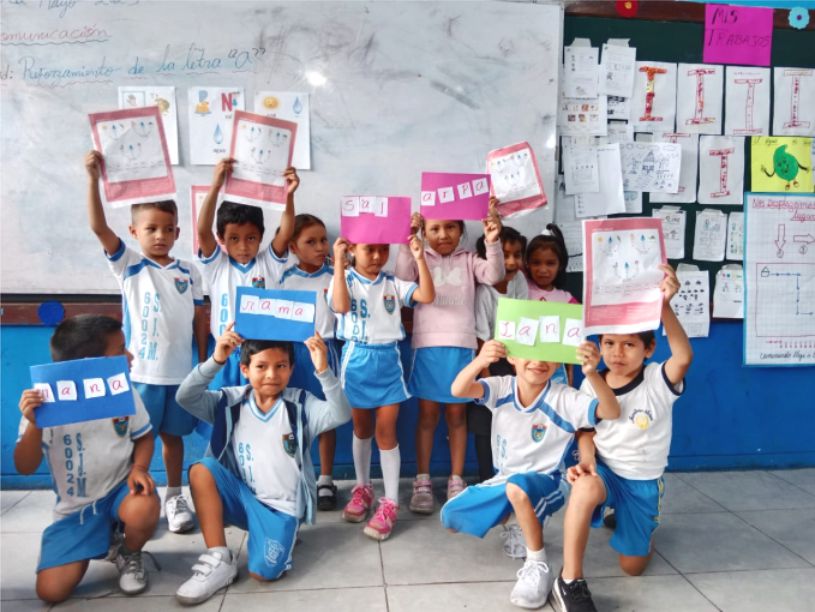
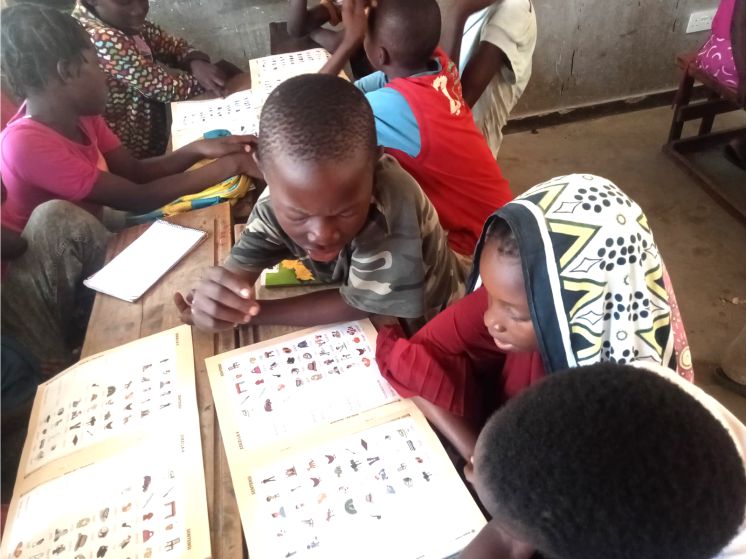
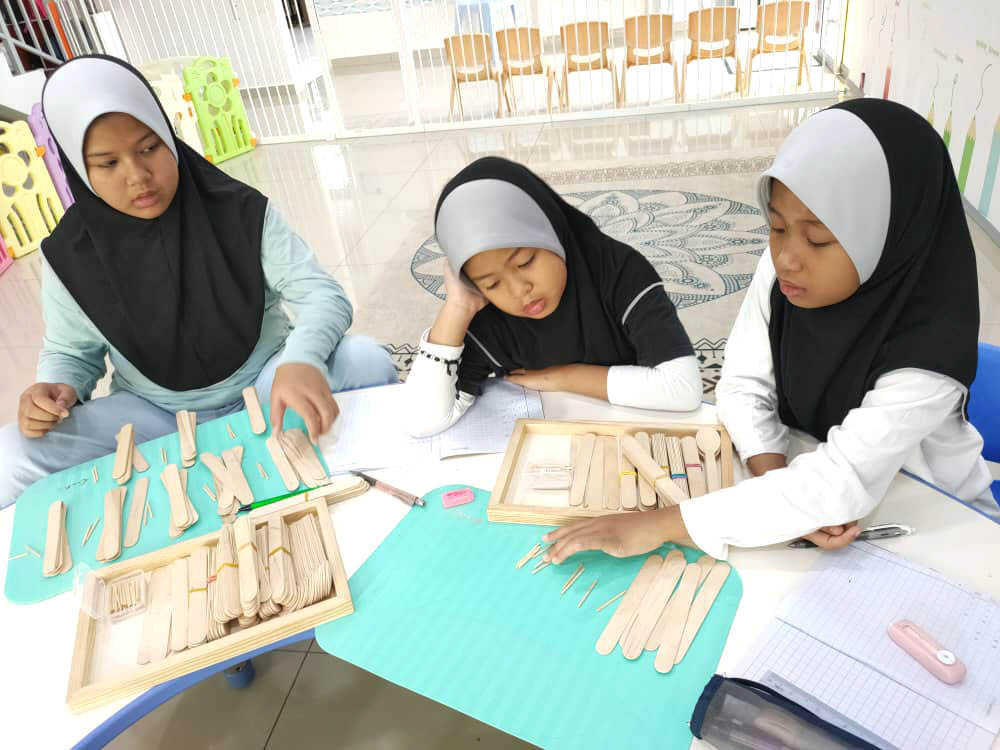
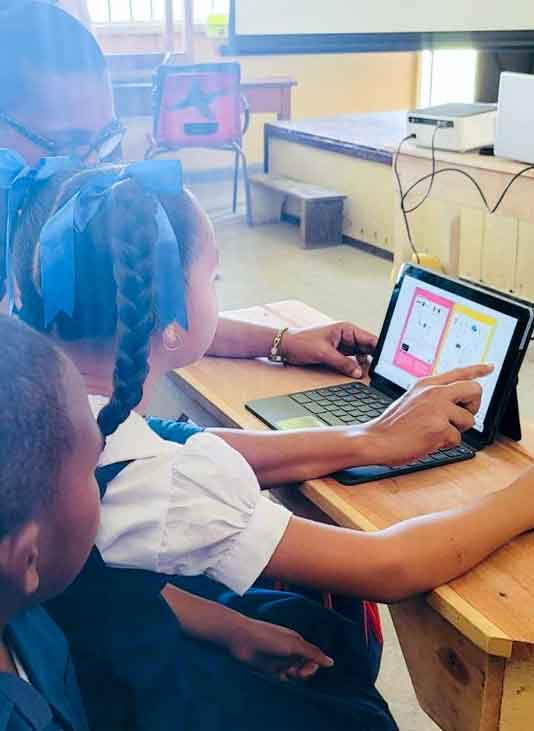
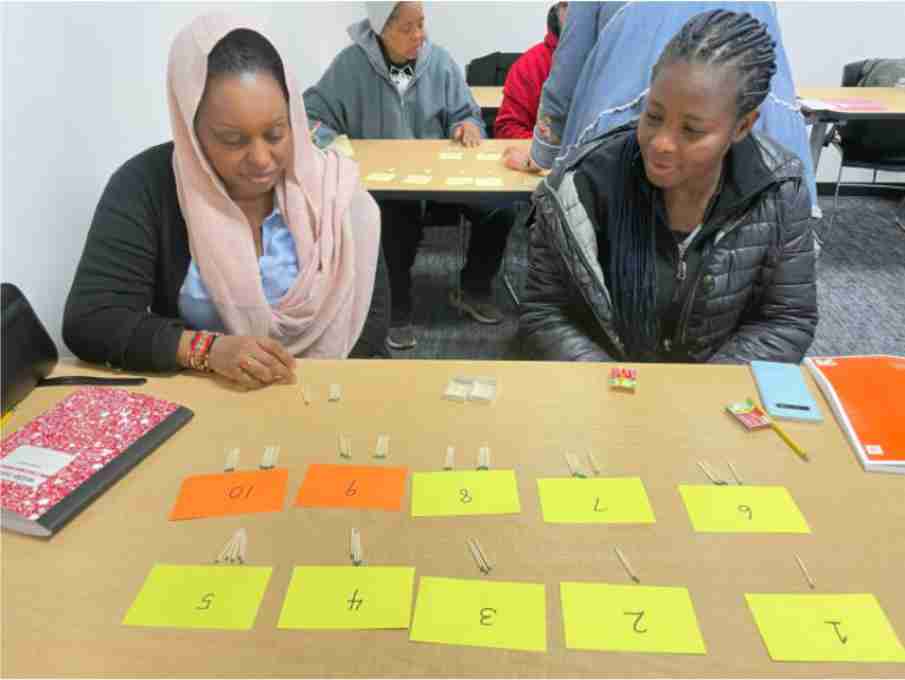
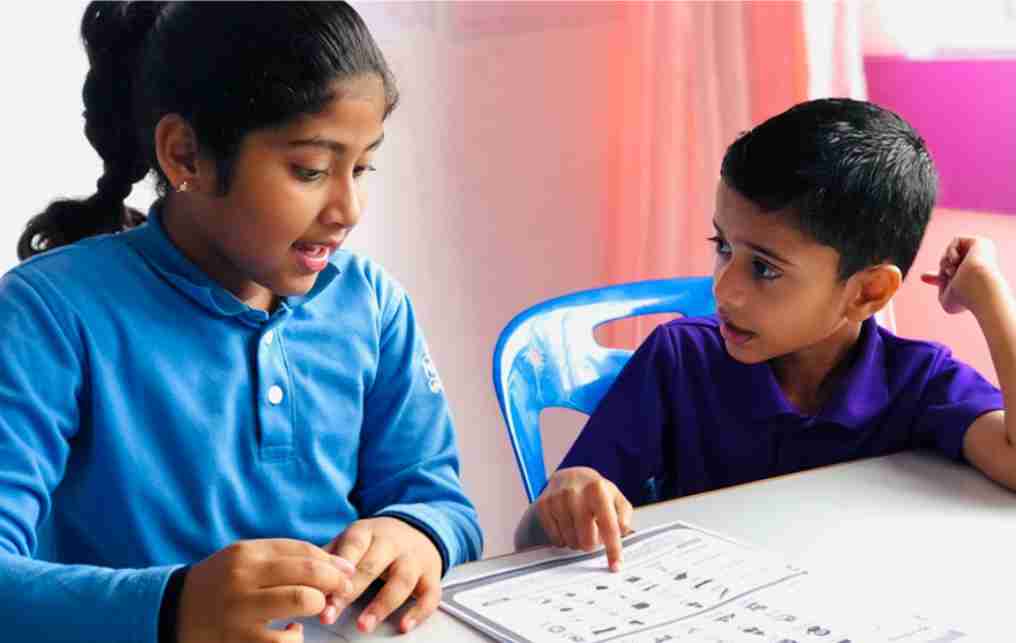
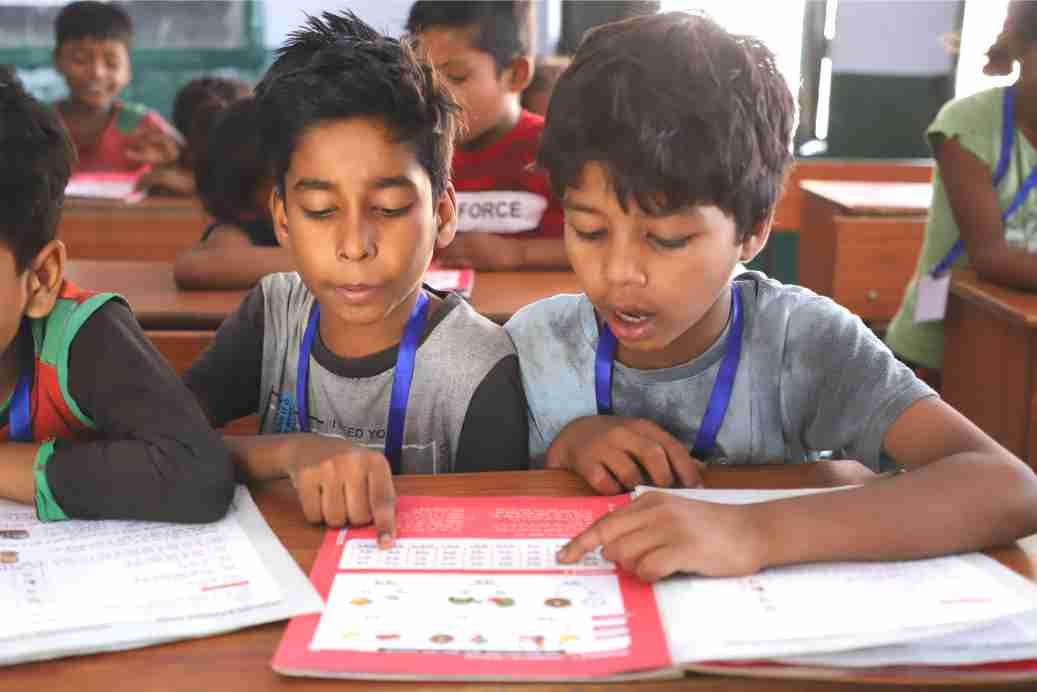
Accelerating Learning for All addresses delays in foundational skills through peer-to-peer learning. Children build fluency, vocabulary and mathematical understanding through simple daily routines, then move onto a stronger academic trajectory.
RRI combines pedagogy, learning materials and teacher empowerment so partners can measure what changes quickly and decide how to scale.
Research implementation in a few schools, randomly allocated to treatment and control.
Scale the implementation to more schools covering one or more low-performing districts.
Integrate system-wide as a supplement or within government textbooks and teacher training systems.
Connection to GLL 2027
RRI serves as a precursor to Global Learning Lab 2027, focused on “Fast-Forward FLN: From Global Research to Systemic Transformation,” scheduled for 8–10 February 2027 in Lucknow, India.
Countries and regions are invited to implement 45-day research implementations before the Lab and come prepared to share findings on efficacy, scalability, adaptability and pathways into national frameworks.
See the Lab programmeWhy ALfA?
Rapid results: children can make foundational literacy and numeracy gains in months, not years.
Teacher-friendly implementation: pre-structured lesson triggers reduce planning load and keep classrooms active.
Cost-efficiency: thin booklets, short training and locally available materials keep the model affordable.
Scalability and adaptability: the same process can be adapted across languages, grades and contexts.
Holistic development: paired learning builds collaboration, communication and critical thinking alongside FLN.

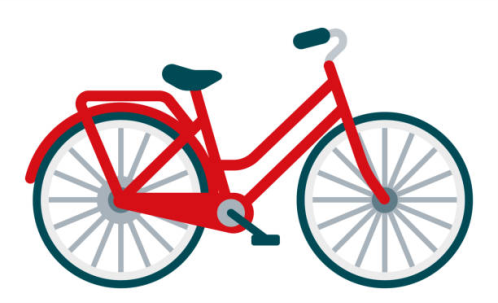
“The ALfA process is similar to teaching children to ride a bicycle; once they learn the basics, they build speed, understanding and confidence through practice.”
Evidence comparison
ALfA was launched after 22 years of educational research in Iceland, the UK and India. Since 2022, it has grown from 20 schools to staged roll-out across 30,000+ government schools because it can produce significant FLN gains across diverse contexts.
While ALfA is still emerging compared with established programmes such as TaRL and Structured Pedagogy, its swift learning gains position it as a promising strategy for achieving universal literacy and numeracy.
Detailed comparison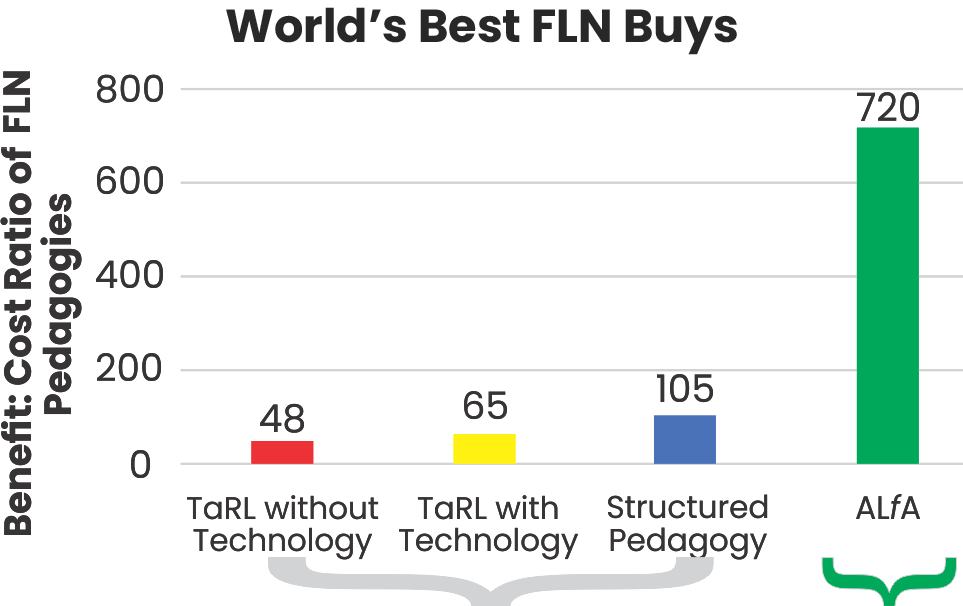
Study · Scale · Sustain
Research implementation in a few schools, randomly allocated to treatment and control.
Implementation flow
Impact at scale
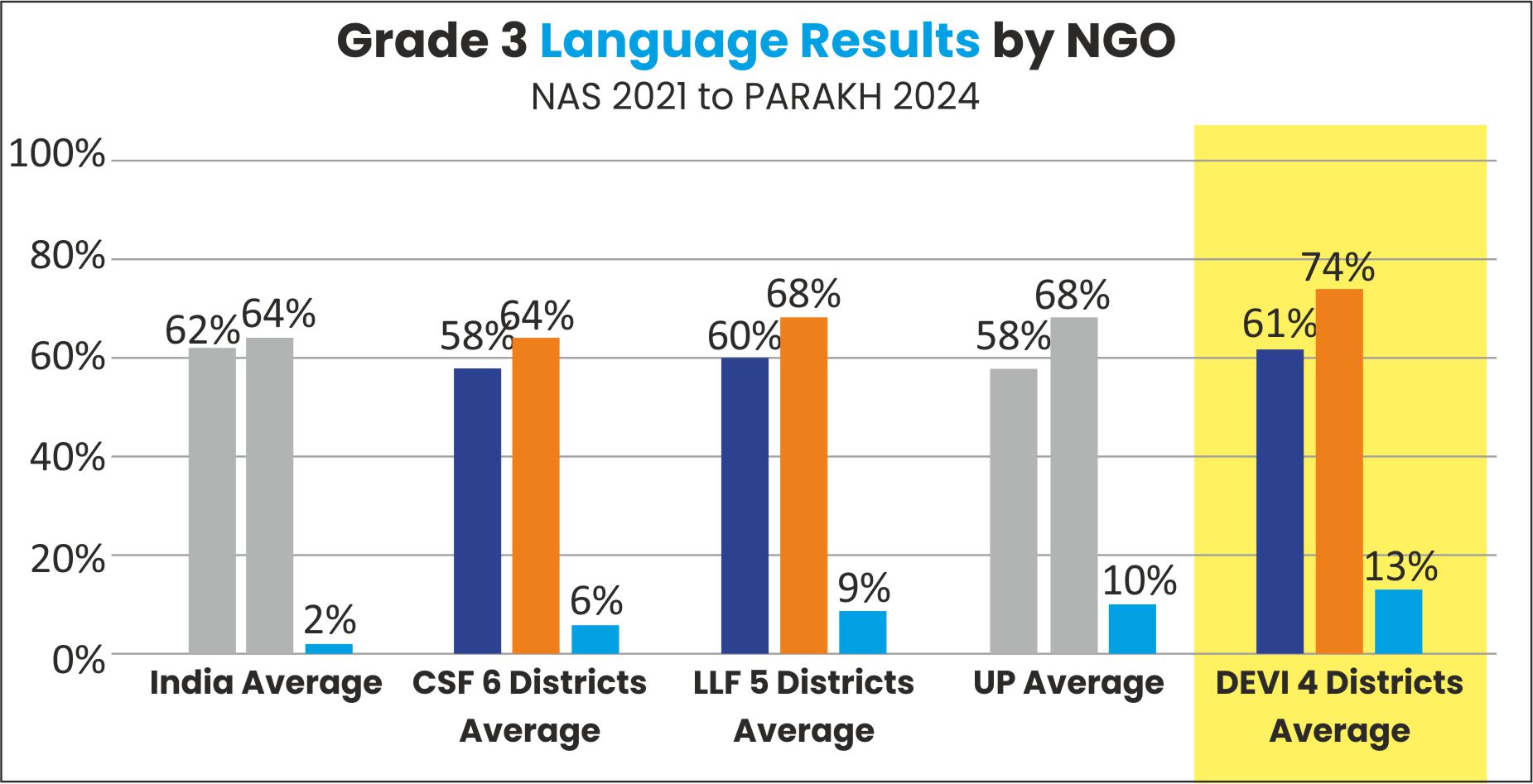
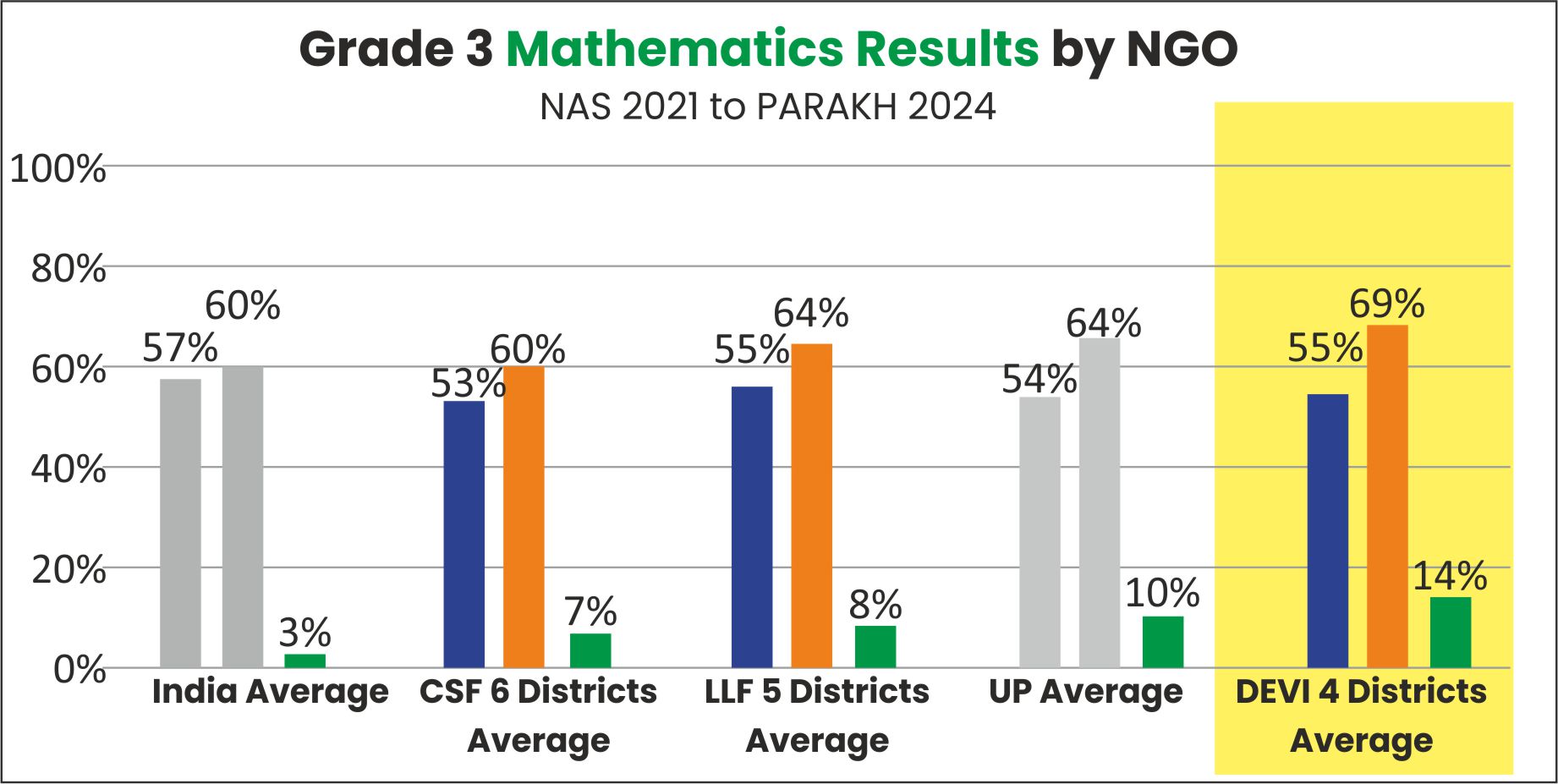
Many interventions show promise in pilots and then struggle at scale. ALfA has moved from small pilots to large district gains. The Uttar Pradesh government's PARAKH 2024 test showed significant gains compared with NAS 2021, with strong improvement in the ALfA districts of Lucknow, Unnao, Barabanki and Shamli.
Global RRI case studies
ALfA FLN toolkits are available in 33 languages, including Arabic, Chishona, Dari, English, French, Mandarin, Portuguese, Spanish, Swahili, Twi, Yoruba and many Indian languages. Partnerships with governments, NGOs and international organisations can drive large-scale adoption after RRIs.
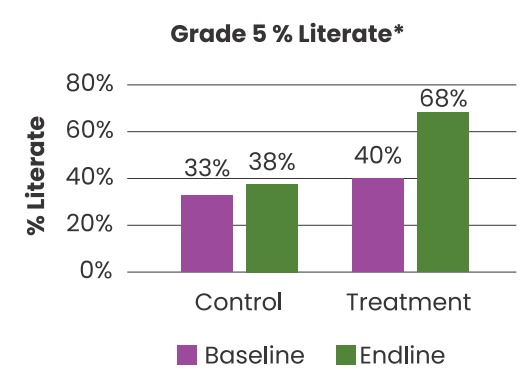
Olinga Foundation / Associates for Change
Implementation in 6 schools, with 3 as control. After 55 days, the proportion of students literate increased by 28 percentage points in Grade 5 — over 5 times the rate of increase in the control group.
Explore more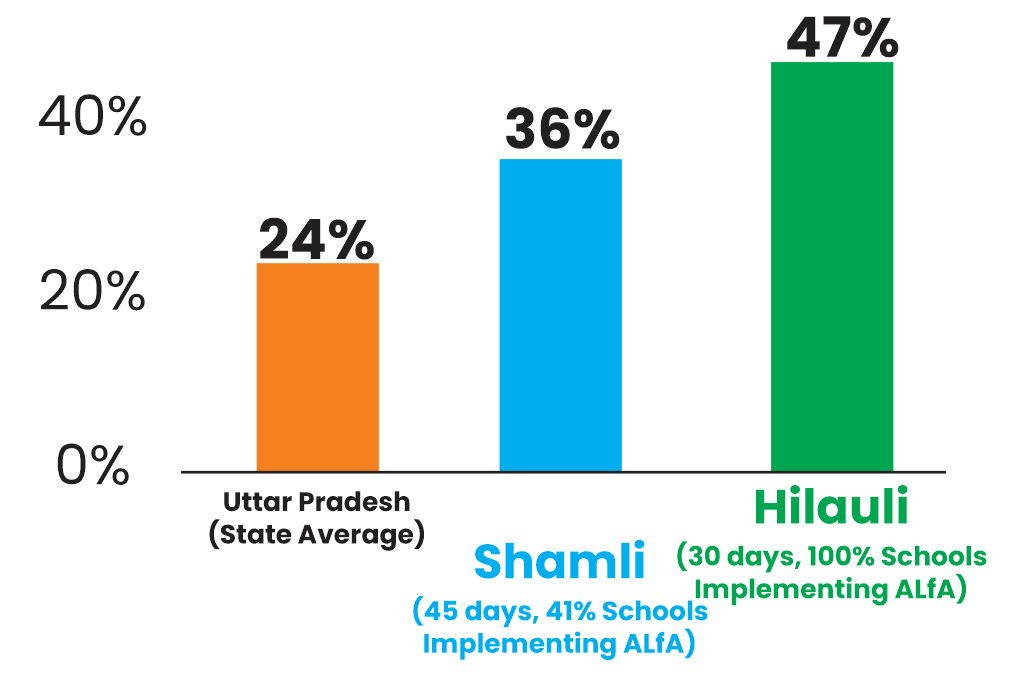
State and district governments
In India's most populous state, schools and districts implementing ALfA performed 2–3x better on the government's NIPUN Assessment Test, which measures FLN competencies.
Explore more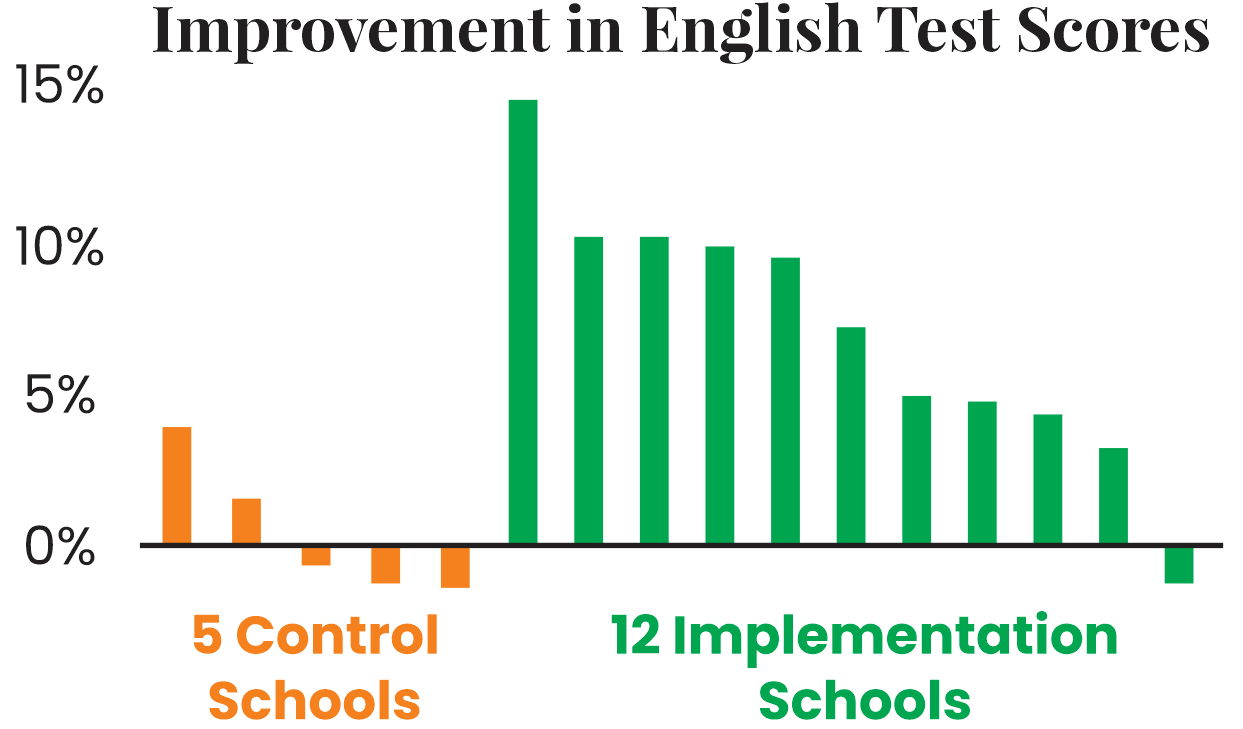
Ministry of Education, UNICEF
Test scores in ALfA schools improved 7 percentage points in English and 11 percentage points in Maths — nearly double the rate of improvement compared to reference group schools.
Explore more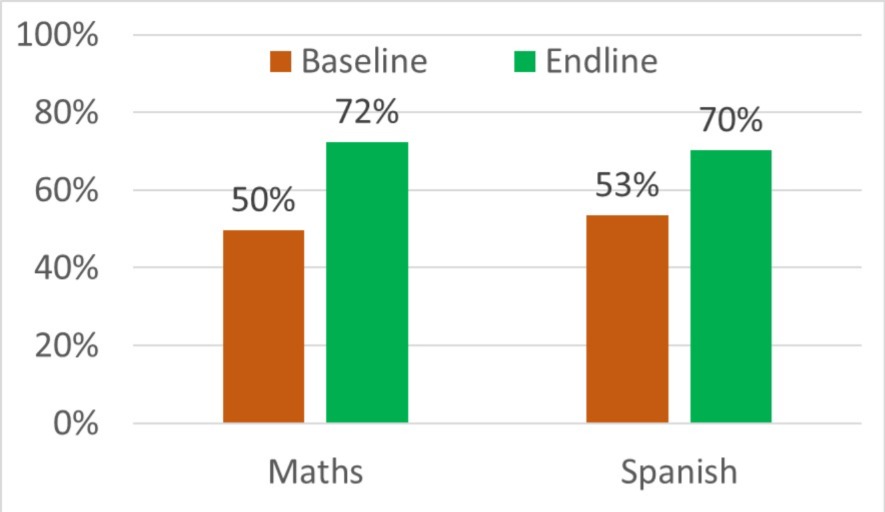
Arca Beta NGO
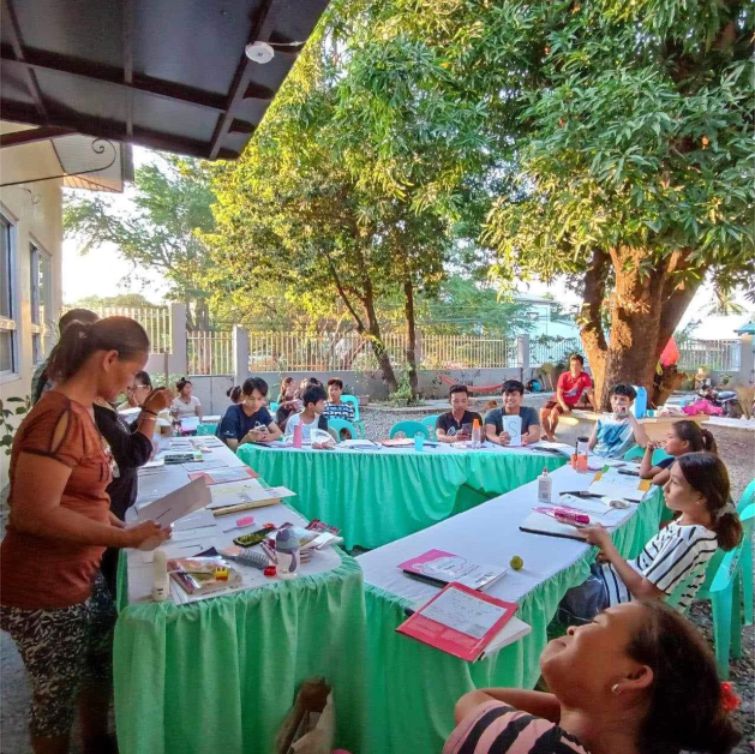
ALfA is being piloted in several schools in the remote Amazon, with impressive results. Discussions are now underway with government for scaling up.
Watch video
Literacy Chicago
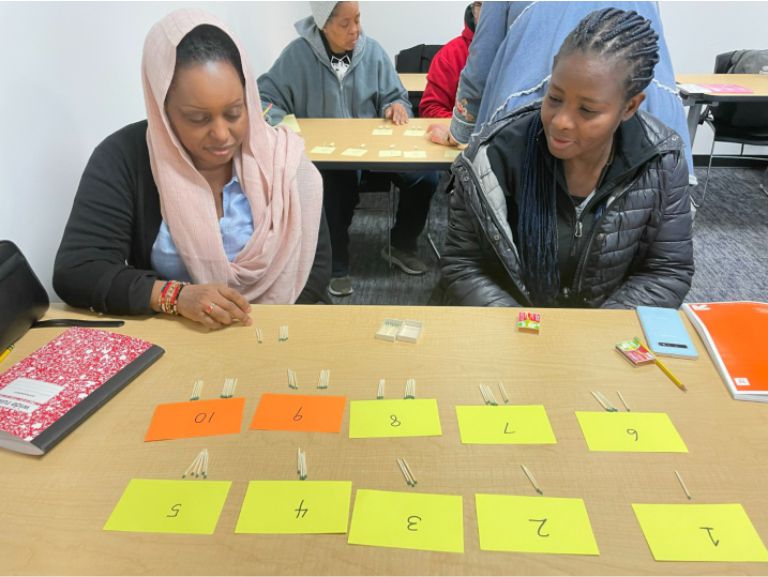
ALfA is helping disadvantaged adults learn to read through a swift and joyful process. Volunteers and learners alike are loving the approach.
Watch video
State Government
Himachal Pradesh has signed an agreement for state-wide ALfA implementation. The work began in Solan and Shimla districts with impressive results.
Explore more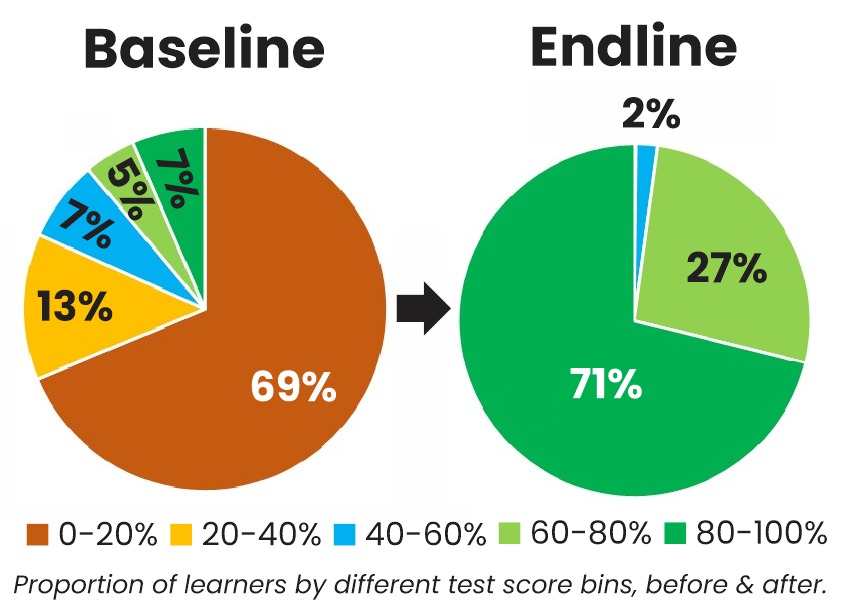
IIMPACT Foundation
ALfA materials are being used in a mother literacy programme in Rajasthan, as well as West Bengal, UP, Uttarakhand and Haryana. Learners' test scores more than tripled from baseline to endline.
Explore more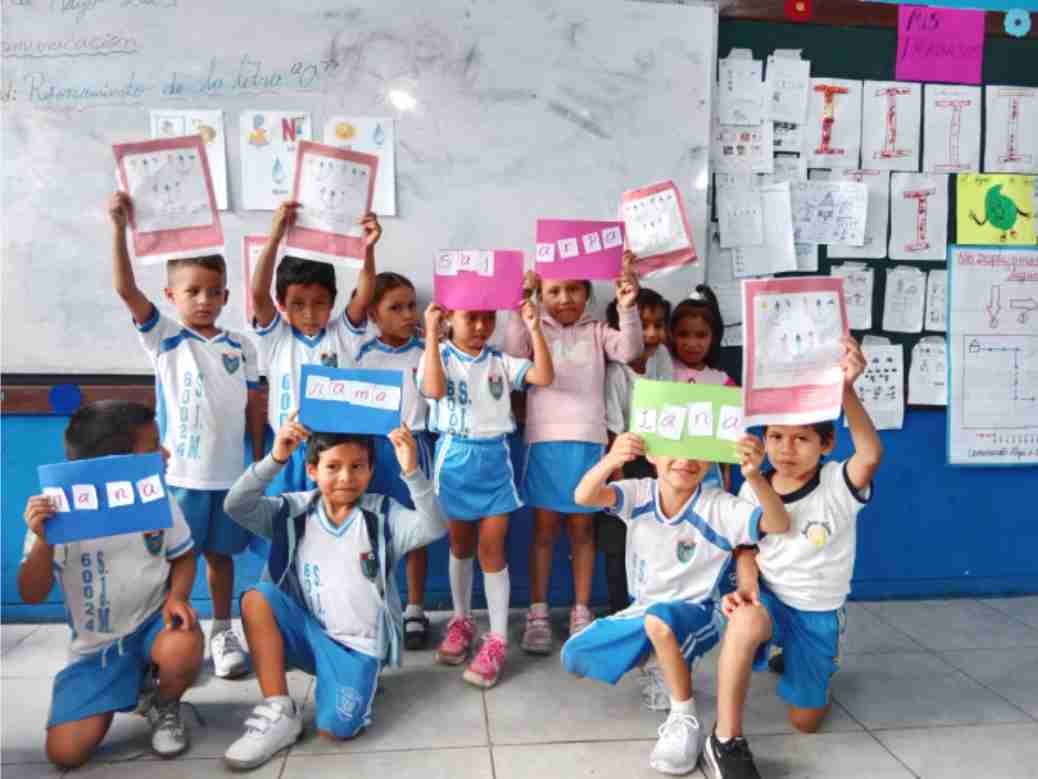
Learn more
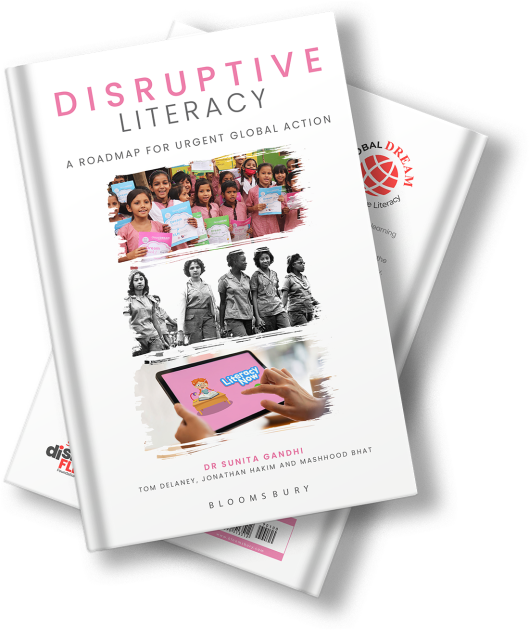
Dr Gandhi's first book, Bloomsbury, 2022
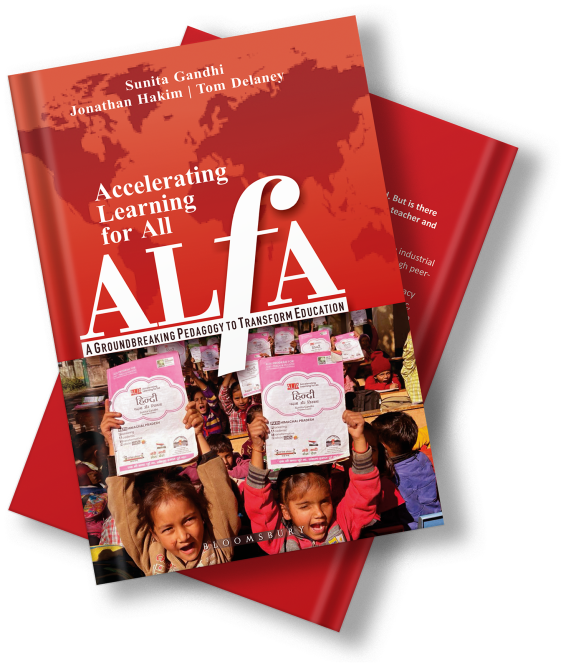
Dr Gandhi's latest book, Bloomsbury, 2024
Videos
Video
Video
Video
Video
Video
Frequently asked questions
These questions come from the earlier RRI page and help ministries, NGOs and educators understand how the 45-day model works.
Global case evidence across 12 countries.
Designed for teachers, volunteers and learners.
Baseline-to-endline results built into the process.
Linked materials, books and extracts included.
Run an RRI before the Lab